Social Practice Art: Art as Social Engagement and Activism
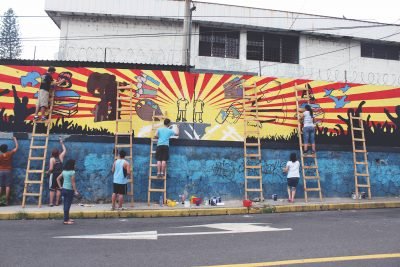
Social Practice Art, also known as socially engaged art or participatory art, emphasizes collaboration, community involvement, and social activism. It transcends traditional art forms by focusing on social issues, fostering dialogue, and creating tangible impacts within communities. This genre challenges…

Avant-Garde Art: Innovation and Cultural Provocation

Avant-garde art refers to innovative and experimental movements that challenge traditional artistic norms, conventions, and societal expectations. Emerging primarily in the late 19th and early 20th centuries, avant-garde artists sought to push boundaries, provoke thought, and initiate cultural revolutions through…

Renaissance: Rebirth of Art and Knowledge

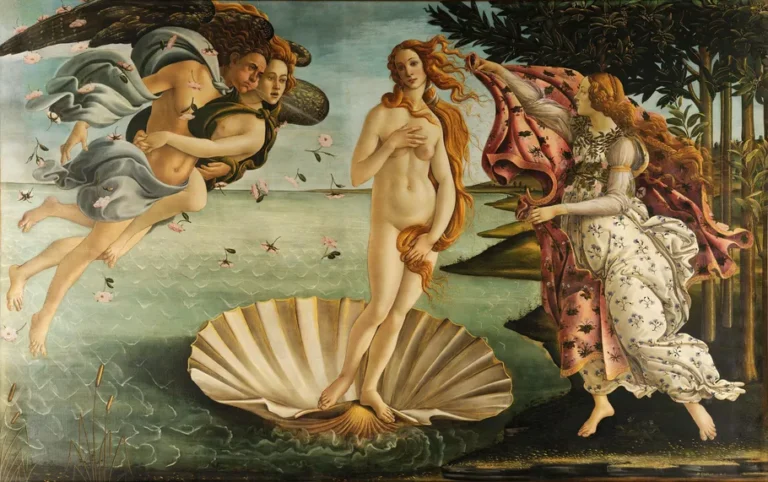
The Renaissance, a cultural and intellectual movement that spanned roughly from the 14th to the 17th century, marked a pivotal period of rebirth and revival in Europe. Emerging from the Middle Ages, the Renaissance witnessed a renewed interest in classical…

Modern Art: Breaking Barriers to Redefine Art

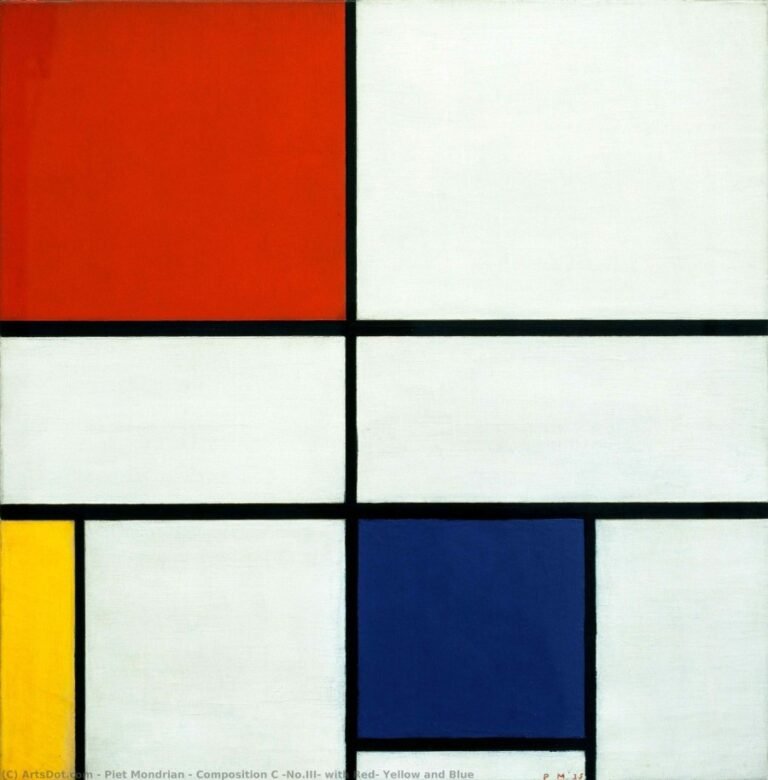
Modern art refers to a diverse range of artistic styles and movements that emerged in the late 19th and early 20th centuries, challenging traditional norms and embracing innovation, experimentation, and individual expression. From Impressionism’s focus on light and color to…

Futurism: Dynamism, Technology, and Manifestos of Change

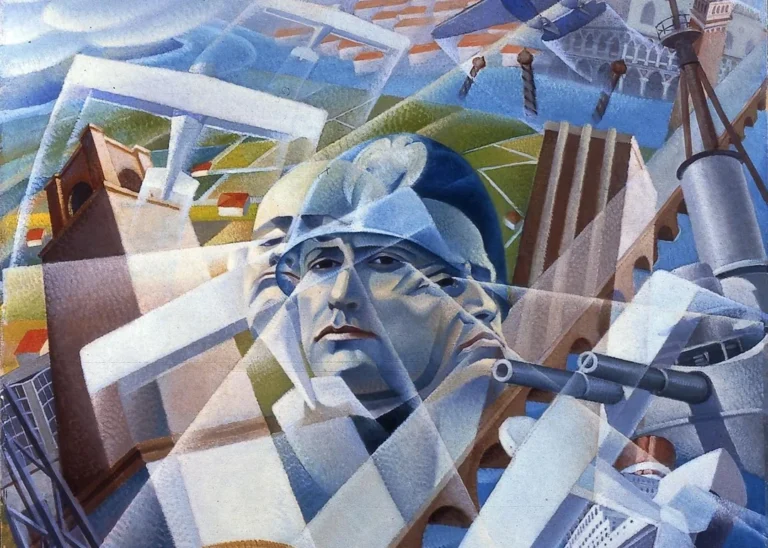
Futurism was an avant-garde art movement that emerged in Italy in the early 20th century, advocating for the celebration of modernity, speed, technology, and the rejection of traditional artistic conventions. Led by Filippo Tommaso Marinetti, Futurism glorified industrialization, urban life,…

Digital Art: Fusion of Technology and Creativity

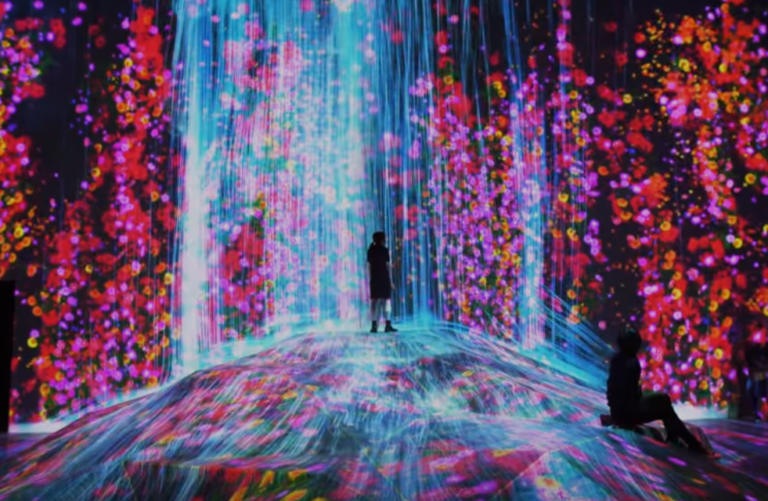
Digital art has had a profound impact on contemporary culture, influencing not only artistic practices but also communication, entertainment, and commerce. Its ability to merge creativity with technology has opened up new avenues for expression and engagement, challenging traditional notions…

Art Deco: Elegance and Modernity

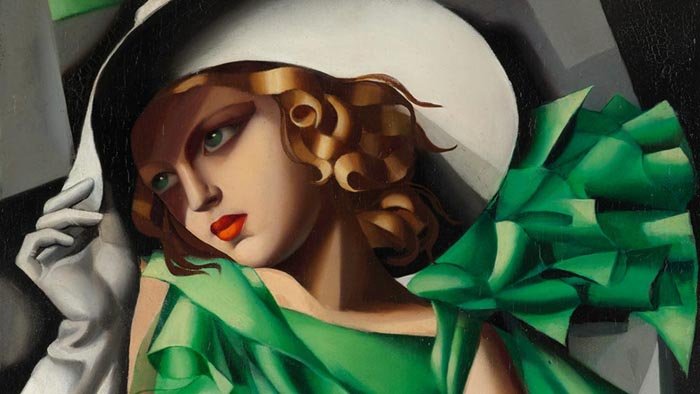
Art Deco emerged in the early 20th century, reaching its peak in the 1920s and 1930s, as a glamorous and eclectic artistic style that celebrated modernity and luxury. Originating in France, Art Deco embraced geometric shapes, bold colors, and lavish…

Japanese Art: Tradition, Elegance, and Zen Aesthetics

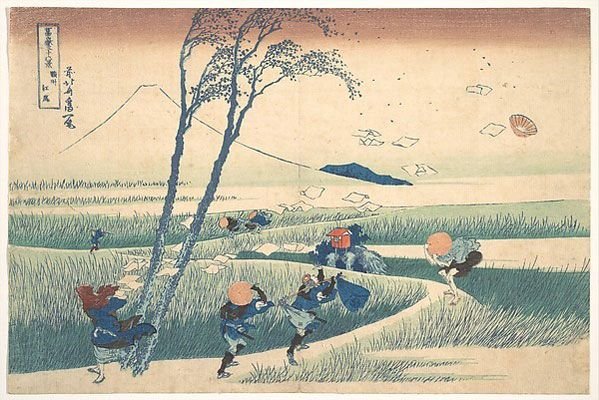
Japanese art is renowned for its rich traditions, meticulous craftsmanship, and profound spiritual influences. Spanning over a thousand years, Japanese art encompasses a wide range of styles and mediums, reflecting the country’s cultural diversity and historical evolution. From traditional forms…

Islamic Art: A Spiritual Journey

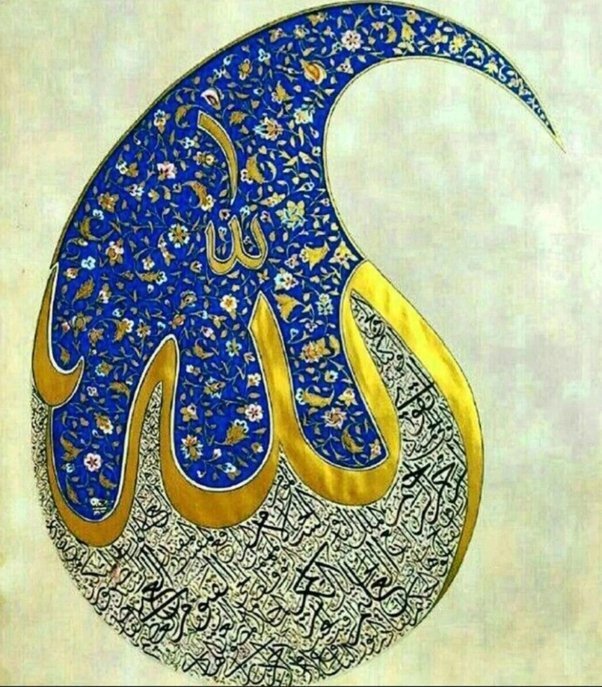
Islamic art encompasses a diverse range of artistic traditions that span over 1,400 years and cover a vast geographic area from Spain to Southeast Asia. This art form is characterized by its intricate patterns, geometric designs, and calligraphy, reflecting the…

Baroque Art: Dramatic Expressions and Grandeur

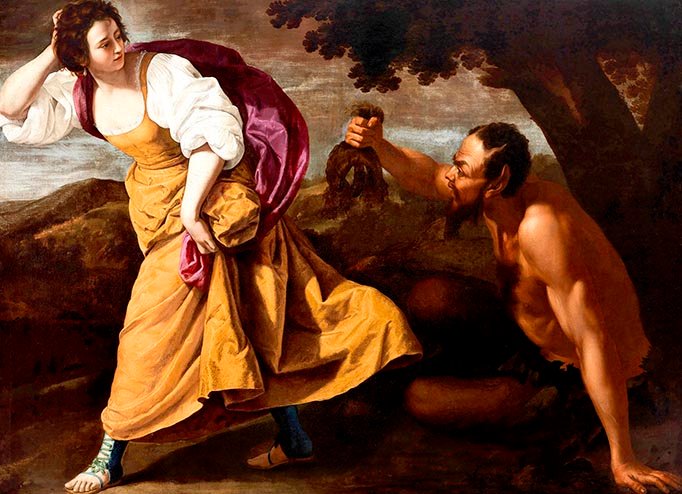
Baroque art emerged in Europe in the late 16th century and flourished until the early 18th century. Characterized by dramatic lighting, intense emotions, and dynamic compositions, Baroque art sought to evoke awe and convey the grandeur of its subjects. This…

Art Nouveau: Elegance and Organic Beauty

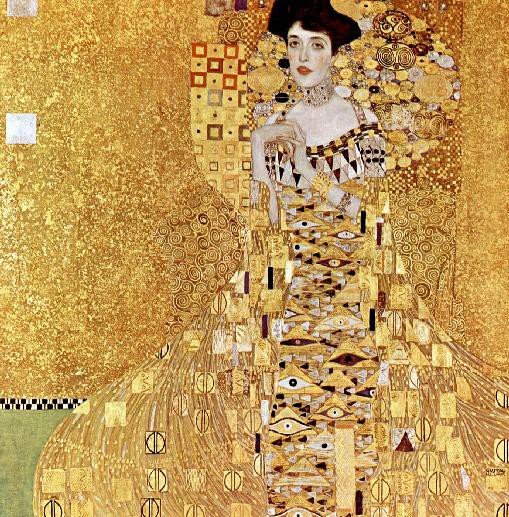
Art Nouveau, also known as Jugendstil, emerged in the late 19th and early 20th centuries as a decorative art movement characterized by its intricate designs, flowing lines, and organic forms. It sought to break away from historical styles and create…

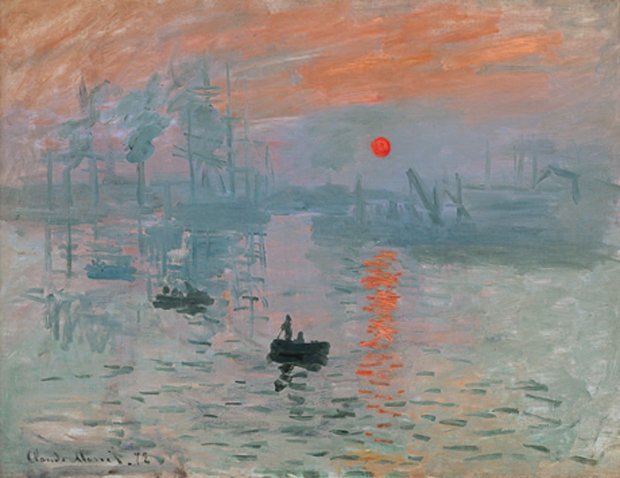
The Rejected Impressionism

Impressionism is an art movement that originated in France in the late 19th century as a result of rejection by formal institutions. Characterized by its emphasis on light, color, and everyday subject matter, Impressionism sought to capture the fleeting moments…