Category Random

Manytimes Random is not so random, like there are no coincidences, they say.

How Does Color Theory Influence Art Perception?
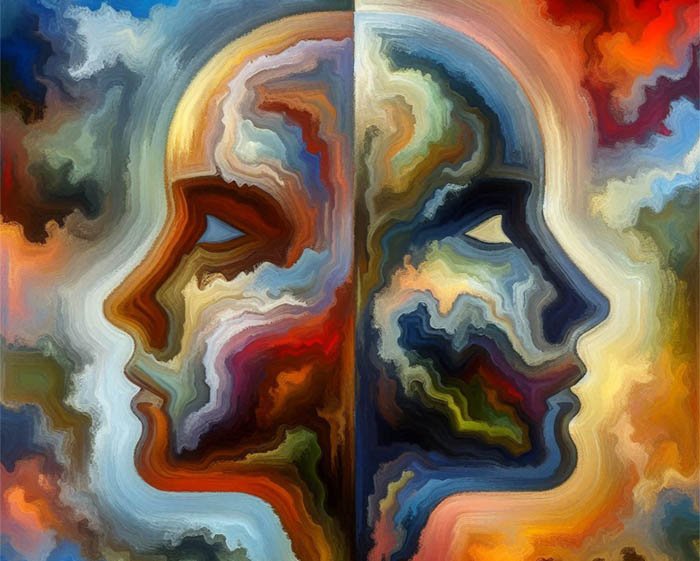
Color theory plays a vital role in art perception, as colors can evoke specific emotions, create visual harmony, and guide the viewer’s attention. Understanding color theory enhances our appreciation of how artists use color to convey meaning. “Color is a…
How Can Art Foster Empathy?

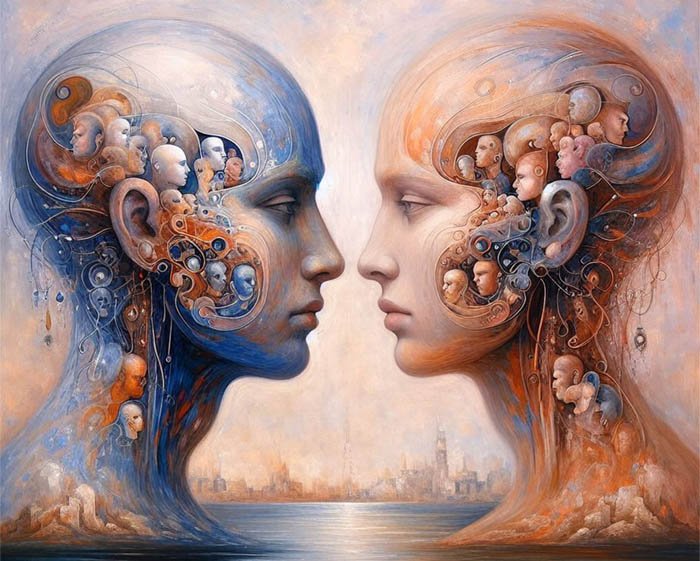
Art has the power to foster empathy by allowing us to see the world through different perspectives. It can convey experiences and emotions that resonate on a deeply human level. “Art is a bridge of communication between people.” – Unknown…

How Do We Interpret Symbolism in Art?

Symbolism in art involves using images and symbols to convey deeper meanings. Interpreting these symbols requires an understanding of the cultural, historical, and personal contexts in which the art was created. “Symbolism exists to adorn and enrich, not to create…

How Will AI Shape the Future of Art?

Artificial intelligence is poised to revolutionize the art world, offering new tools and methods for creation. AI can assist artists in exploring uncharted creative territories and generating novel artworks. “The art challenges the technology, and the technology inspires the art.”…

What Role Does Public Art Play in Communities?

Public art enriches urban spaces and fosters a sense of community. By transforming public areas into canvases, artists can engage with the public and contribute to a shared cultural identity. “Public art is a public good; it is for everyone.”…

Can VR Transform Art Experiences?

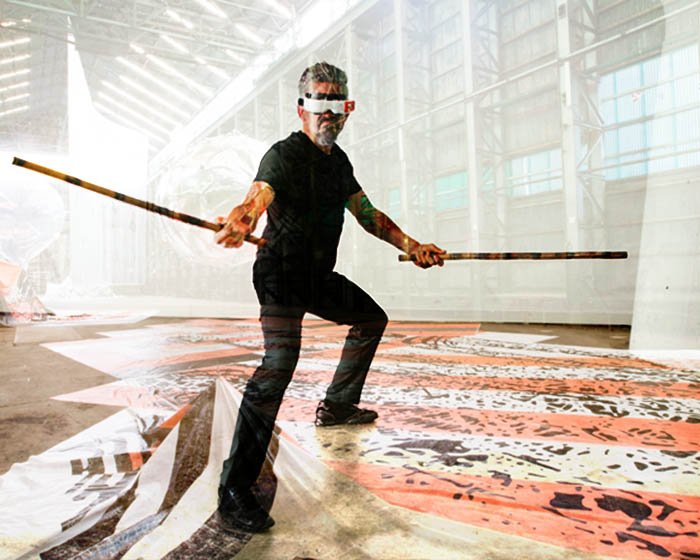
Virtual reality transforms how we experience art, offering immersive and interactive environments. VR allows viewers to engage with art in new and dynamic ways, breaking down traditional barriers. “Virtual reality is the ‘ultimate empathy machine.’” – Chris Milk Through VR,…

What Are the Ethics of Digital Art Sharing?

Digital platforms have revolutionized art sharing, but they also pose ethical challenges. Issues such as copyright, intellectual property, and fair use need careful consideration. “Art is a form of knowledge; art is a way of knowing.” – Ken Robinson Artists…

What Makes a Piece of Art Memorable?

Memorable art often resonates with viewers on an emotional or intellectual level. It can evoke strong feelings, provoke thought, or connect with personal experiences, making it linger in the mind long after the initial encounter. “Art is not what you…

What Are the Mental Health Benefits of Art?

Engaging with art, whether as a creator or observer, offers significant mental health benefits. Art provides a means of expression, reduces stress, and enhances emotional well-being. “Art enables us to find ourselves and lose ourselves at the same time.” –…

Is Vulnerability Essential for Authentic Art?

Vulnerability, the willingness to be open and authentic, is a cornerstone of meaningful and impactful art. By embracing vulnerability, artists create work that resonates on a deeper emotional level. “Vulnerability is the birthplace of innovation, creativity, and change.” – Brené…

Should There Be Limits to Artistic Freedom?

The debate over artistic freedom versus ethical responsibility is complex. While artists should have the liberty to express themselves, there are considerations regarding the potential impact of their work on society. “The artist’s job is to be a witness to…

What Do Existentialist Themes in Art Teach Us?

Existentialist themes in art explore profound questions about existence, meaning, and the human condition. These themes invite introspection and offer insights into our shared experiences. “Art is the proper task of life.” – Friedrich Nietzsche By grappling with existential concepts,…